Tasty Techniques – 6 Easy Tips to Upgrade Your Cooking Skills
Most home cooks hit the same wall eventually.
You can already make decent food. Friends happily come over for dinner. Nobody’s complaining about the pasta. But somewhere along the way, things start feeling a little repetitive. Same flavours. Same techniques. Same three reliable meals rotating every second Tuesday night.
Usually, the issue isn’t talent.
It’s tiny habits that quietly limit how good the food could actually become.
1. Stop Fighting Bad Equipment
A lot of cooking frustration starts with the pan.
Food sticks. Heat distributes unevenly. Everything somehow burns in one corner while staying pale everywhere else. Which is why many home cooks eventually upgrade to better non-stick cookware once they realise how much easier cooking becomes when the equipment actually cooperates.
Not because expensive pans magically make someone a chef.
They just remove unnecessary friction.
That changes confidence surprisingly quickly.
Especially when delicate foods stop welding themselves permanently onto the surface halfway through cooking.
2. Learn What Proper Heat Actually Looks Like
This is one of the biggest differences between average cooking and genuinely good cooking.
People rush the pan.
The oil isn’t hot enough. The meat goes in too early. Vegetables start steaming instead of caramelising properly. Then everyone wonders why restaurant food somehow tastes richer and deeper.
Heat creates flavour.
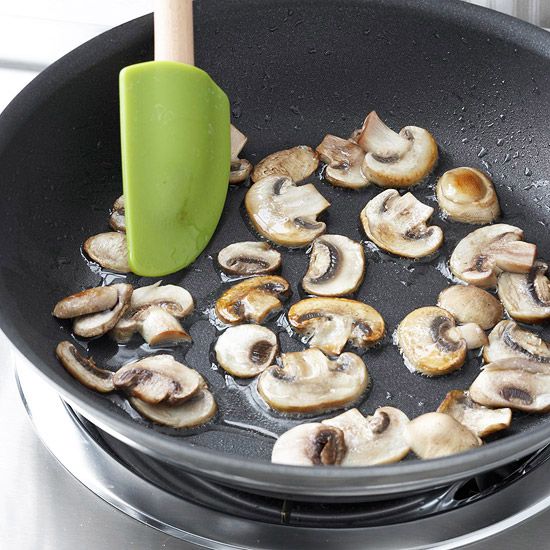
That golden crust on mushrooms or steak? That’s not luck. It’s patience.
Most home cooks improve dramatically once they stop constantly moving food around and simply let the pan do its job for an extra minute or two.
Harder than it sounds, honestly.
3. Salt Earlier Than You Think
A lot of people season food right at the end and hope for the best.
Restaurants rarely work like that.
Seasoning usually happens gradually throughout cooking instead. Small layers building flavour over time rather than one aggressive blast at the finish line.
This matters especially with soups, sauces and slow-cooked dishes.
Taste early. Adjust slowly. Taste again.
That rhythm changes cooking enormously because flavour develops more evenly instead of sitting awkwardly on top of the food.
Worth practising regularly.
4. Acid Fixes More Problems Than People Realise
Sometimes food tastes flat even when technically everything is cooked properly.
That’s often an acid problem.
A squeeze of lemon. A splash of vinegar. Even a spoonful of yoghurt or pickled ingredients can suddenly wake an entire dish up. Rich foods especially benefit from that balance because acidity cuts through heaviness and sharpens flavour.
People usually discover this by accident the first time.
Then suddenly they start reaching for citrus constantly.
Which is probably a good sign.
5. Dry Ingredients Properly Before Cooking
This sounds boring.
Still changes cooking immediately.
Wet vegetables don’t brown well. Damp chicken skin stays pale and floppy. Mushrooms release water everywhere instead of caramelising properly.
Dry surfaces create better texture.
Paper towel honestly solves a surprising number of kitchen problems.
Particularly when roasting or pan-frying.
6. Taste Constantly While Cooking
This might be the most important habit of all.
Strong cooks taste food repeatedly while making it. Sauce too salty? Fix it early. Needs brightness? Add acid. Feels heavy? Maybe it needs herbs or more seasoning.
People who never taste while cooking are basically guessing until dinner hits the table.
Which gets risky.
Especially after a long day when everyone’s already hungry and patience levels start dropping rapidly around the kitchen.
And honestly, most cooking improvements happen exactly this way.
Not through complicated recipes.
Just through small habits repeated often enough that good food starts happening naturally.